Evolution of the Lake Land College Campus
Development of the College Campus
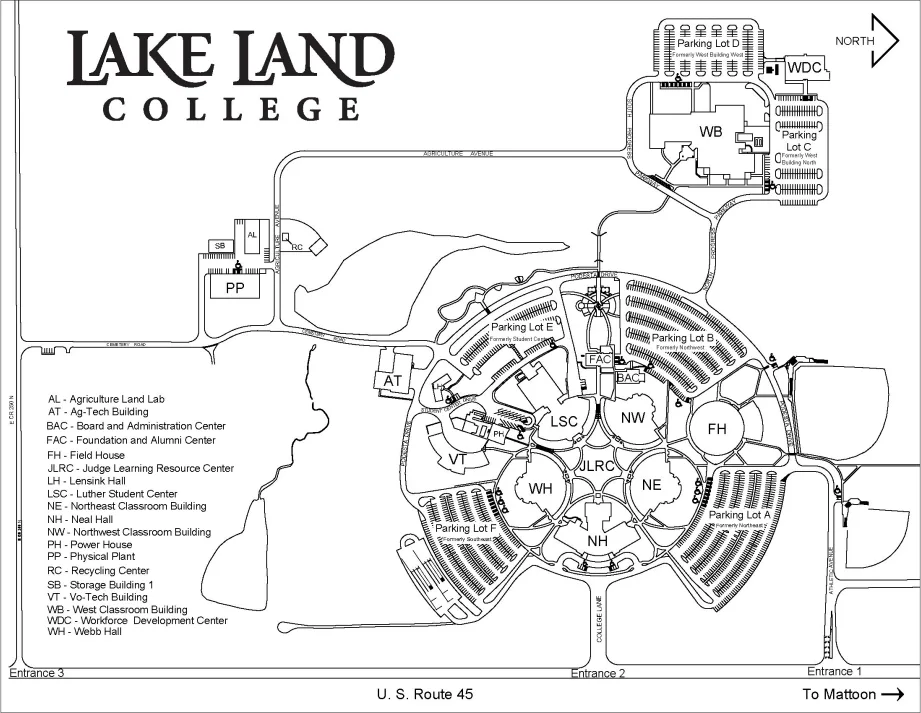
The Steering Committee responsible for the formation of the College district recognized that selecting a site for a future campus would be a highly emotional issue, one they referred to as a “sticky question”. “Sticky questions” would be handled with openness and wide publicity to allow for the greatest possible input into the decisions. However, according to state statute, the location of the campus could only be decided by the Board of Trustees. Therefore, the Steering Committee made the campus site selection a non-issue in the vote to establish the district.
Mr. Clem Phipps, chairman of the first Board of Trustees, said that “There is probably no decision of greater interest nor more universal importance than the selection of a college campus site, especially if there are several communities interested in the site.” The Board selected two architectural firms – John Shaver and Company from Salinas, Kansas and Philips, Swager and Associates of Peoria – to assist in the process of selecting a site and developing a master plan for the campus.
A total of eleven (11) sites were proposed, three of which were in the Mattoon area. After careful evaluation, the site committee recommended a 308-acre site at the southern edge of Mattoon’s city limits, near Interstate 57. Since all of the college’s students would be commuting to campus, trustees felt this location near the interstate was the most desirable. Trustees unanimously approved the site and found it to be more than adequate for the construction of the campus. It also provided acreage for nature preserves and demonstration farms.
The site is located geologically at the south edge of the Wisconsin glaciation and extends into the Shelbyville moraine at the north edge of the Illinois glaciation. There are a total of sixteen (16) soil types found on the College farm. The different soils make the site a good place of study for agriculture students.
In 1994, the College acquired an additional 3.65 acres of land from the Morgan family. The house was converted into an office for the Public Safety Department.
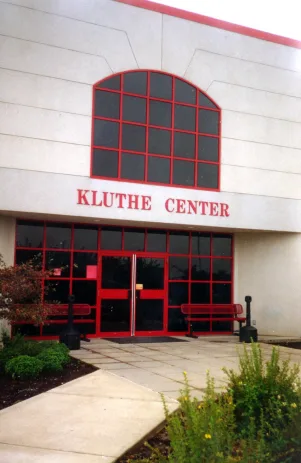
Kluthe Center for Higher Education and Technology
The Lake Land College Kluthe Center for Higher Education and Technology, which began offering classes during the fall of 1995, is the College’s first permanent extension center. Nearly 1,500 residents enroll in more than 80 different classes during the day, evening, and weekend, making it the largest extension center in the college district and perhaps in the state.
The two-story, 24,000-square-foot structure was built with a $250,000 grant from the estate of Minnie Kluthe, $750,000 of locally donated funds, and a $1.48 million grant from the State of Illinois. The site was donated by a group of business men called “Technology Partners”. The City of Effingham and Effingham County extended utilities and streets to the site at no cost to the College.
Western Region Center
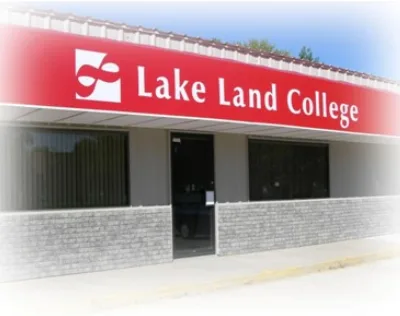
Located at 600 E. First St. in Pana, the Western Region Center first opened in January 2007. The center was a unique partnership between Casey’s General Stores, First National Bank of Pana, and Pana Community Unit School District (CUSD) #8. Through this agreement, a former Casey’s General Store was renovated as a Lake Land facility, offering two classrooms, a resource area, and an administrative assistant’s office. Three years after the 2,192-square-foot facility opened, Pana CUSD initiated a 6,000-square-foot addition that expanded higher education opportunities for Lake Land students in Pana and the surrounding area, including a licensed practical nursing program. Additional funding for the addition stemmed from a federal earmark. The center now serves about 100 students a year.
Eastern Region Center at the Forsythe Center
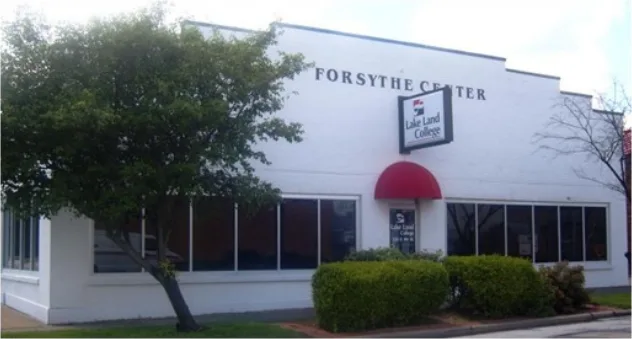
Located at 224 South Sixth St. in Marshall, the Eastern Region Center at the Forsythe Center emerged from a partnership among city officials, Lake Land College, Jerry Forsythe, and area businesses and families.
Marshall High School dual-credit automotive students were the first to take classes in the facility, beginning in the fall of 2007. General education and technical career courses were first offered in January 2008. The 8,000-square-foot facility houses an automotive garage, welding lab, and four classrooms, including a computer lab and a community resource room. The center serves about 90 students per year.
Workforce Development Center
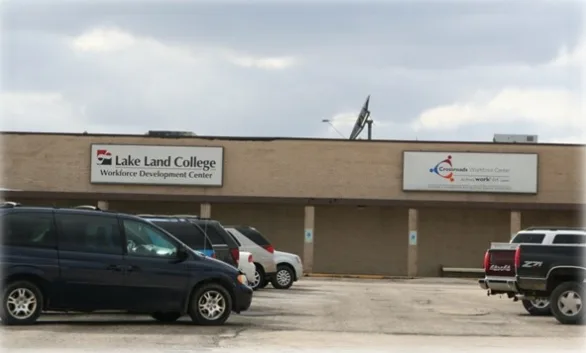
The Lake Land College Workforce Development Center houses the college’s Center for Business and Industry, Pathways to the Future alternative high school, Community and Professional Programs, Traffic Safety, and Commercial Driver Training. The building also houses the Illinois Department of Employment Security. Located at 305 Richmond Ave., East, Mattoon, the center originally opened in 1999 as a one-stop Illinois Employment & Training Center. The center occupies 31,384 square feet and includes a Manufacturing Skills Training Lab, several training rooms available for the public to rent, and classrooms for computer training. In 2008, the college bought the entire 78,945-square-foot building and now leases the center store to the Dollar General Store and the far south side to a local church.
The Campus through the Years
1971
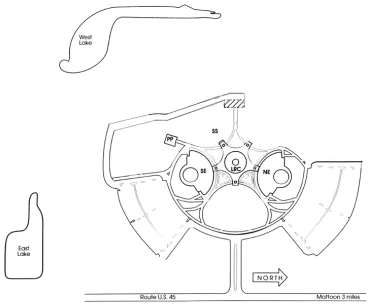
1974
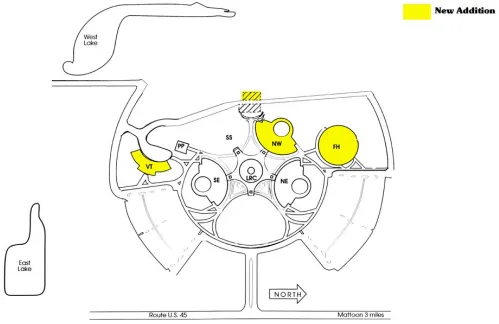
1977
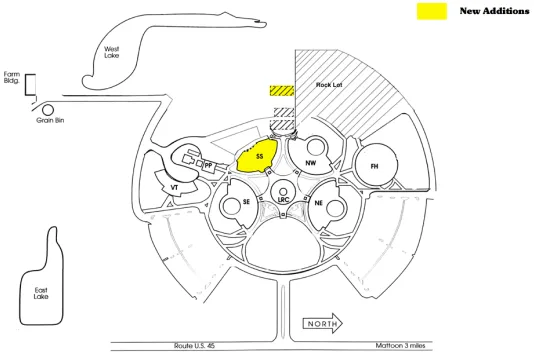
1988
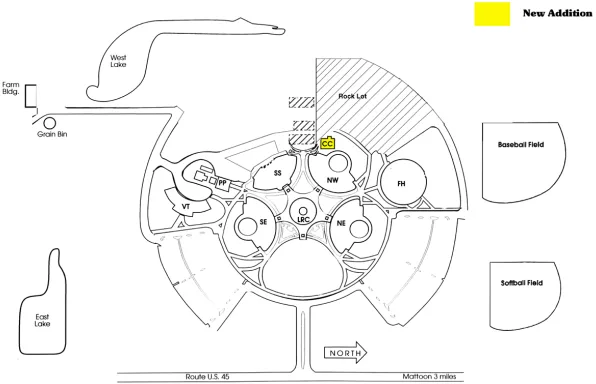
1993
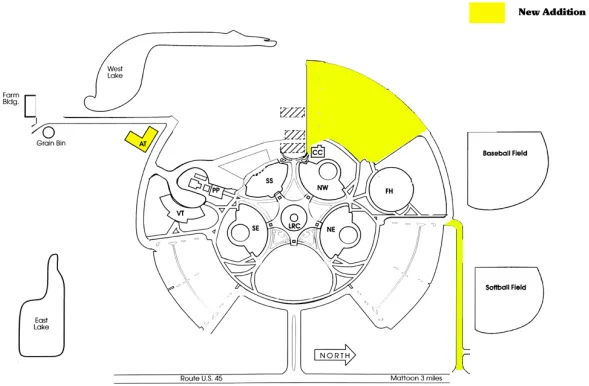
1996
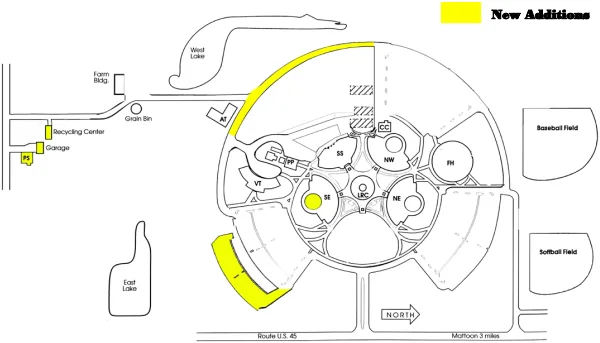
1999
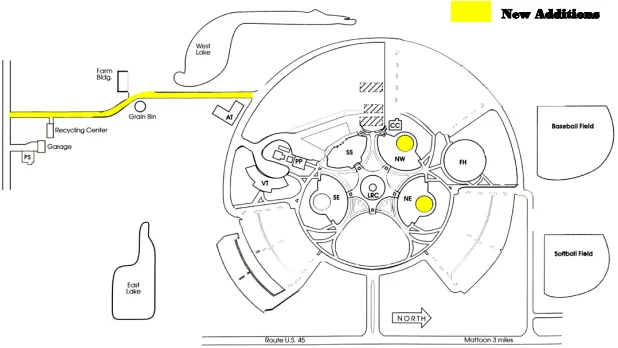
2000
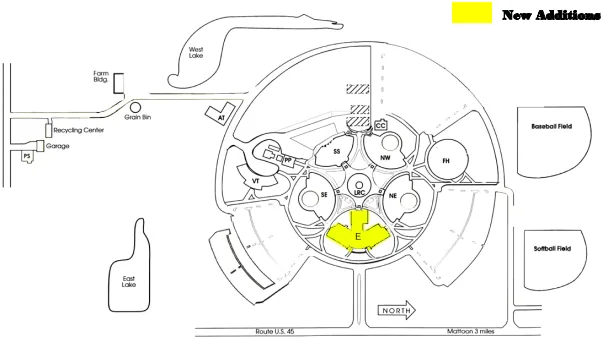
2002
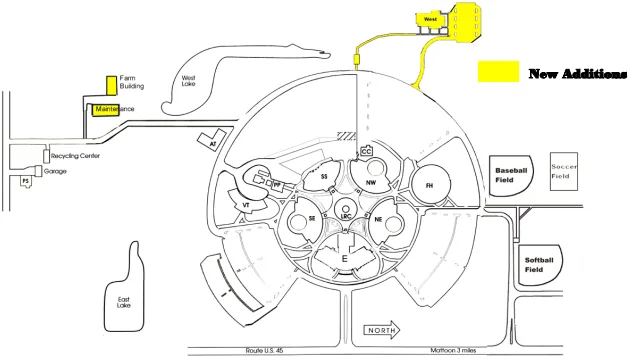
2004
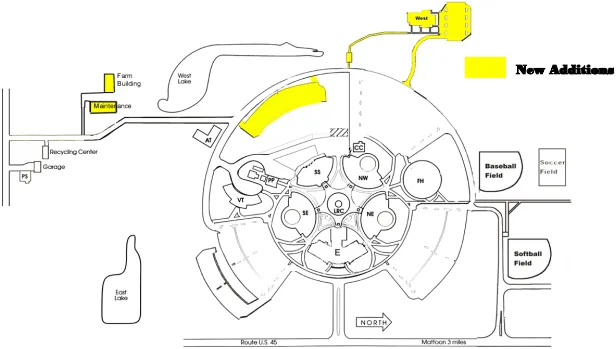
2010
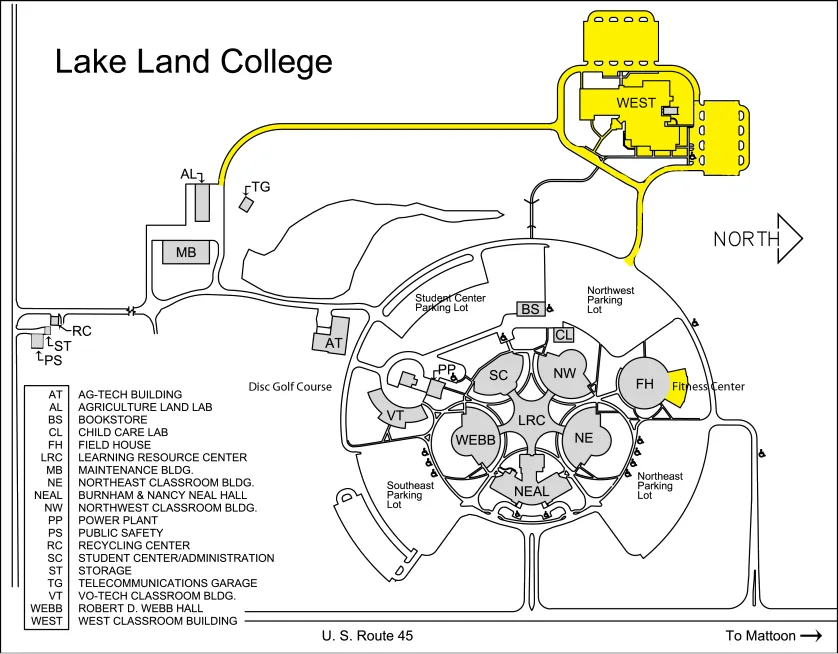
Present